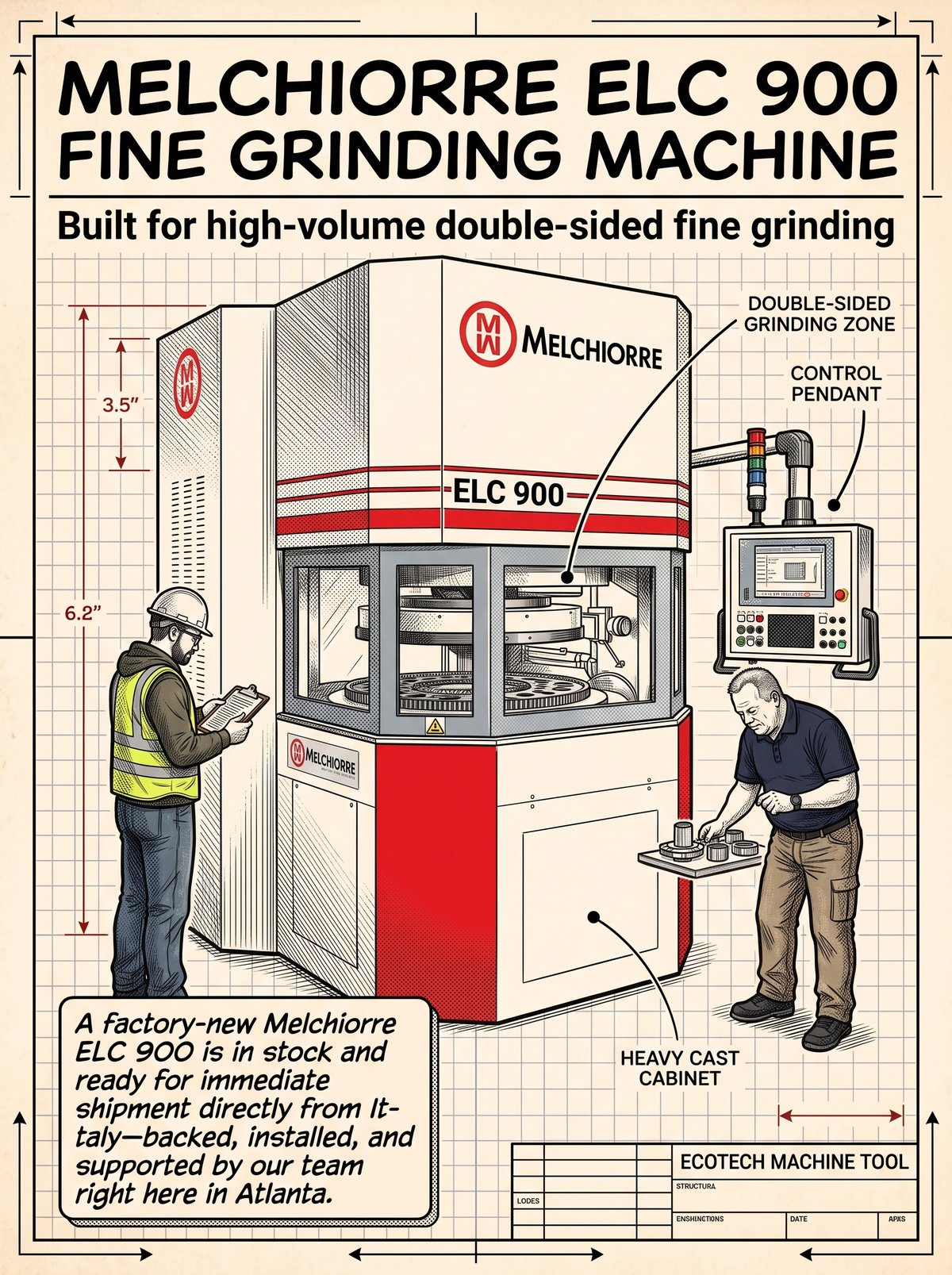
When your production demands sub-micron flatness, parallelism, and surface finish, conventional single-sided grinding or manual lapping quickly becomes an expensive production bottleneck. Precision components like fuel injector bodies, hydraulic pump plates, mechanical seal rings, and technical ceramics require simultaneous two-sided machining to eliminate internal material stress, dramatically reduce cycle times, and guarantee zero-tolerance accuracy.
Whether you are evaluating twin-wheel fine grinding equipment or optimizing an existing production line, understanding the core mechanical elements, drive systems, and process controls is critical to making the right capital investment.
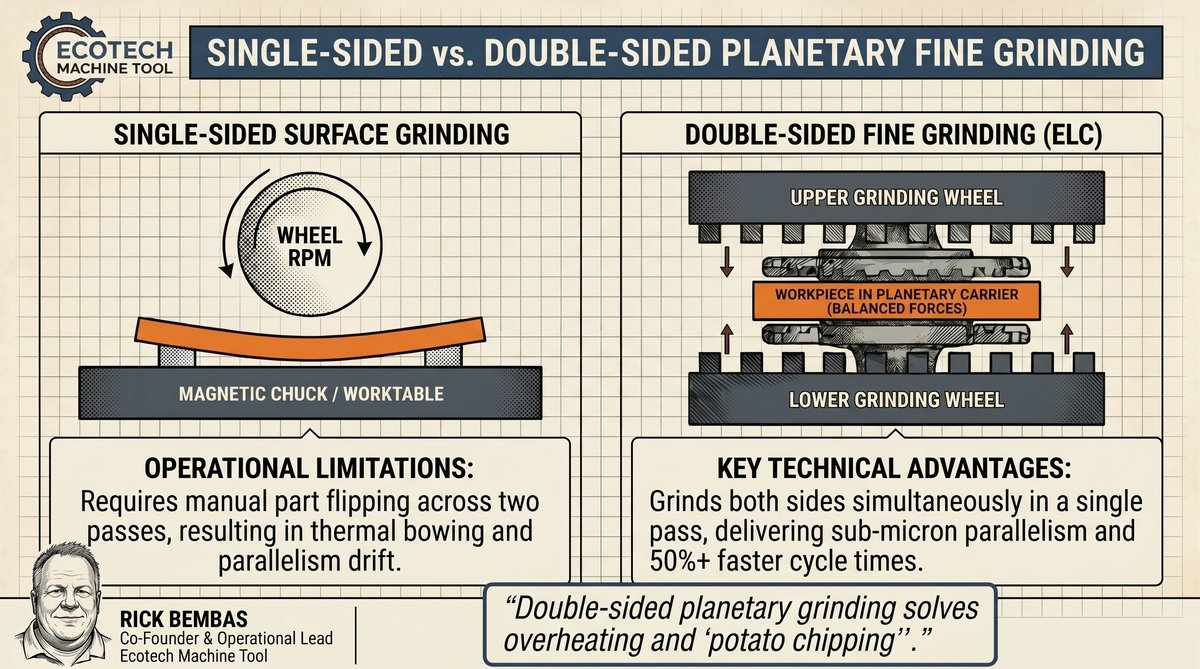
What is Double-Sided Fine Grinding?
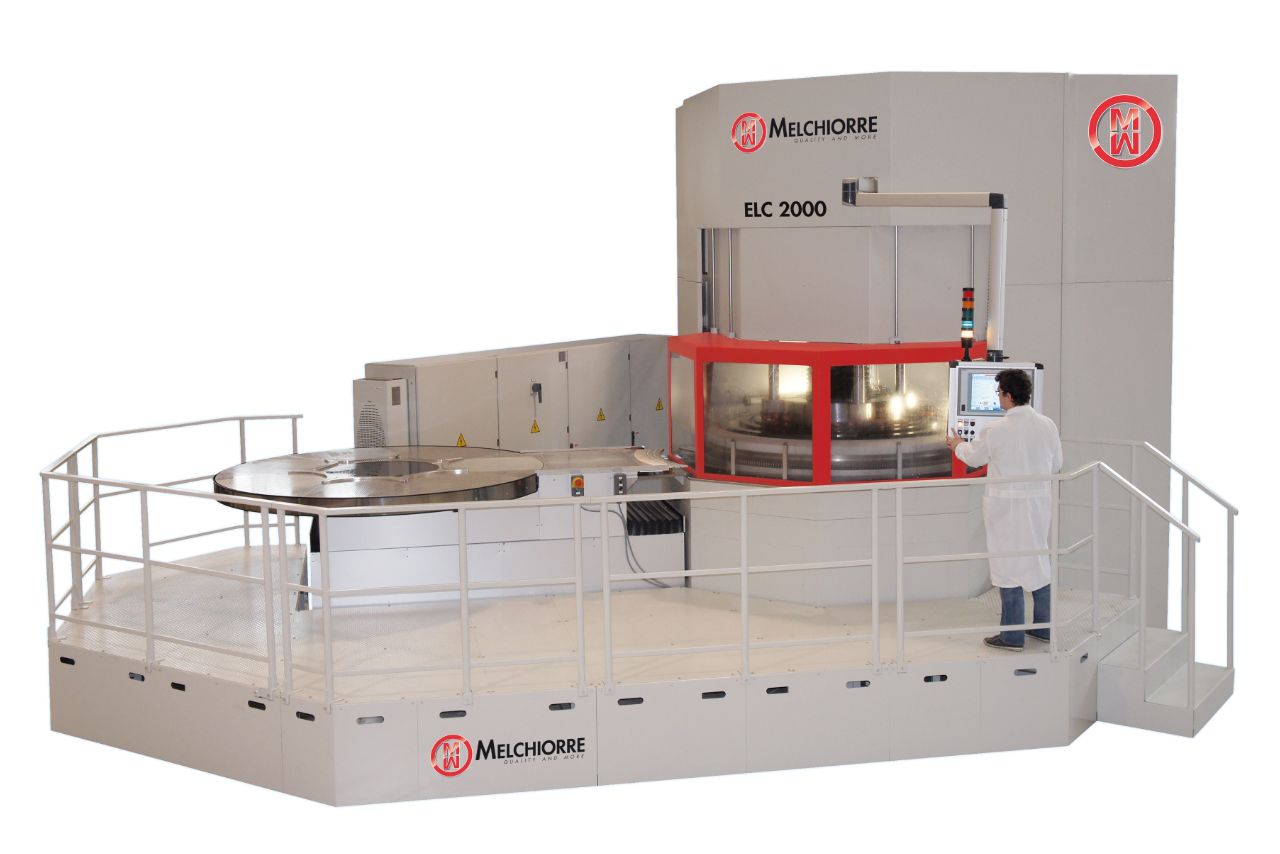
Double-sided fine grinding (often referred to as twin-wheel fine grinding or flat honing) utilizes two counter-rotating diamond or CBN grinding wheels to machine the top and bottom faces of a component simultaneously. Workpieces are held inside planetary gear carriers, which are driven through an outer pin ring and an internal sun gear.
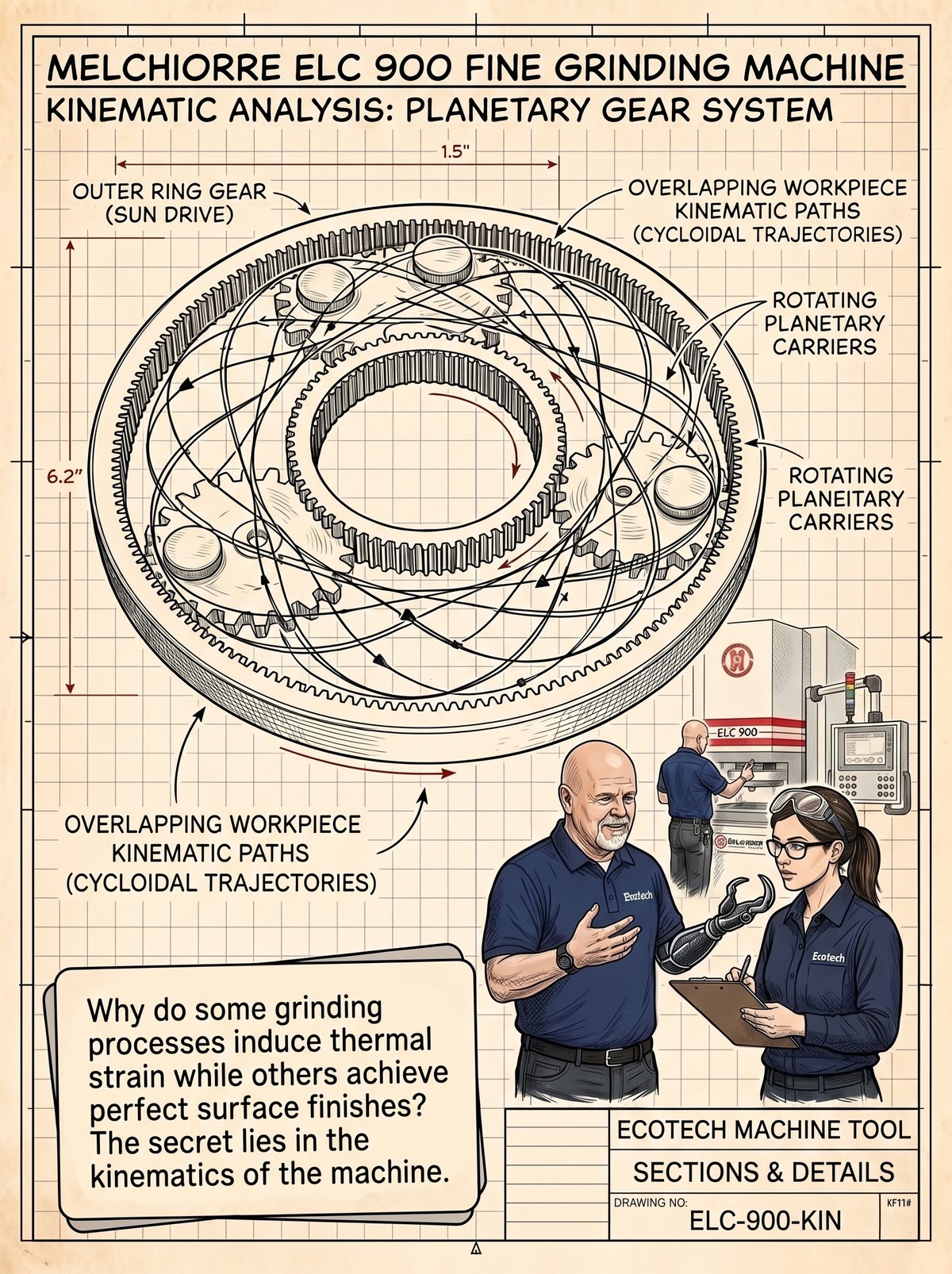
This multi-axis planetary kinematics movement creates a randomized, crisscross grinding path across the wheel faces, ensuring even wheel wear and consistent sub-micron surface finishes without inducing thermal strain or part distortion.
Key Elements of a High-Precision Double-Sided Grinder
Achieving sub-micron accuracy across thousands of parts requires precise integration of structural rigidity, closed-loop force management, and real-time process monitoring.
1. Monolithic C-Frame Structure
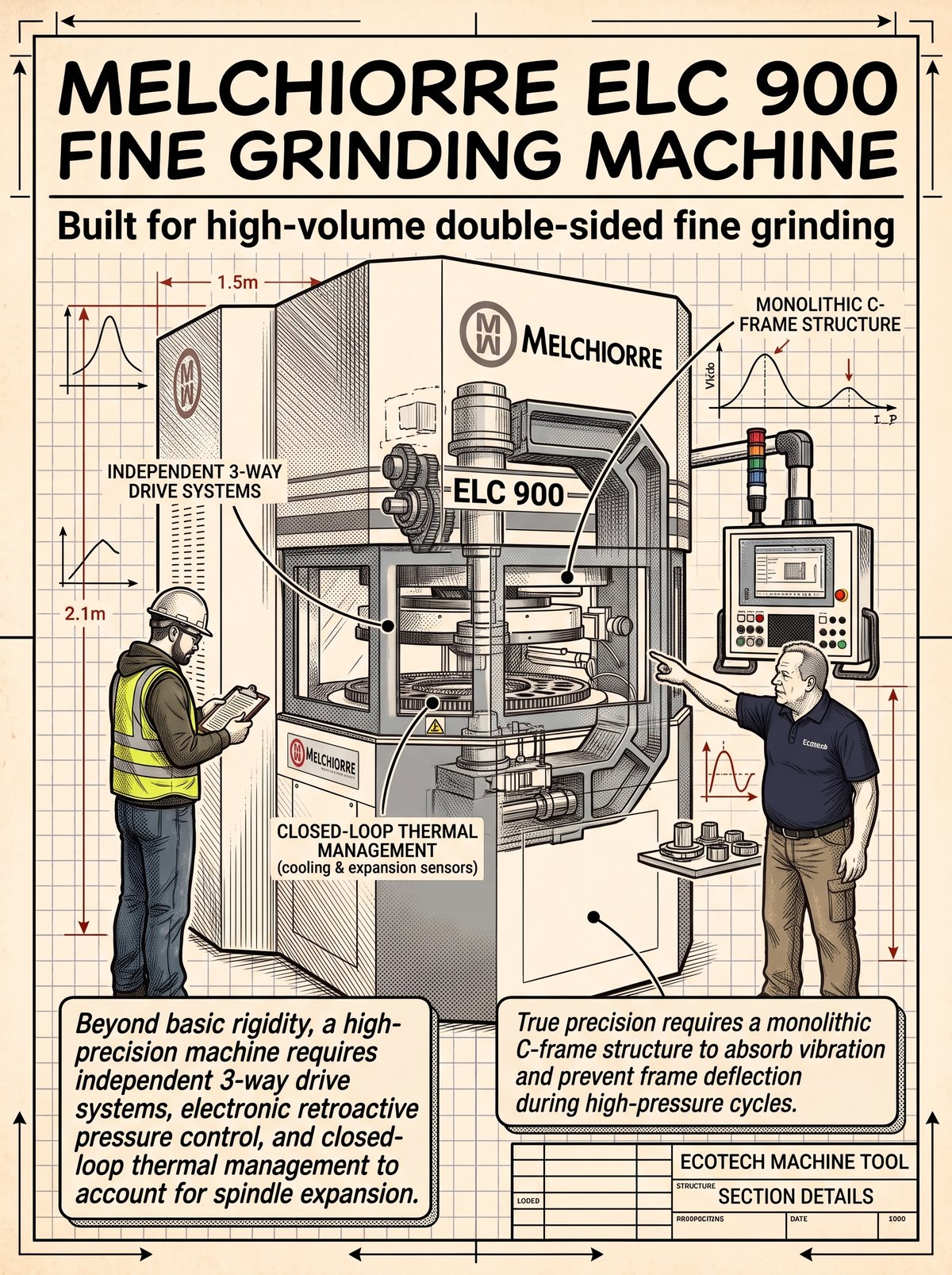
A high-precision machine begins with a rigid base. Leading double-sided grinders utilize a heavy, monolithic C-frame structure to absorb vibration and prevent frame deflection during high-pressure grinding cycles. High structural stiffness ensures that upper and lower grinding wheels remain perfectly parallel under variable load conditions.
2. Independent 3-Way Drive Systems
Maximum control over stock removal and surface finish requires three independent, fully adjustable drive units: upper grinding wheel drive, lower grinding wheel drive, and internal ring gear drive. Fine-tuning these three drive ratios allows machinists to optimize cutting speeds for different materials.
3. Electronic Retroactive Pressure Control
Unlike older mechanical or hydraulic pressure systems that drift as temperature changes, modern fine grinders use closed-loop electronic ball-screw systems to manage wheel pressure. This enables precise micro-stepping force application during roughing, finishing, and spark-out phases.
4. Automatic Upper Wheel Stiffening & Oscillation Lock
Upper wheel deflection or micro-vibration is the primary cause of thickness variation across a carrier load. Advanced double-sided grinders incorporate an automatic wheel stiffening and anti-vibration system with an exclusive oscillation lock to mechanically stabilize the upper wheel spindle assembly.
5. In-Process Sub-Micron Sizing Systems
To maintain target thickness without interrupting production, in-process measuring systems continuously monitor part height during the grinding cycle. Contact gauge systems use direct contact probe fingers to measure part height with resolutions under 1 µm. Indirect non-contact systems monitor wheel positioning electronically to maintain tight tolerance bands down to 0.01 µm resolution without touching delicate workpieces.
6. Closed-Loop Thermal Control
Grinding friction generates heat, which causes thermal expansion of machine spindles and grinding wheels. Integrated temperature control systems actively monitor coolant and structural temperatures, adjusting thermal controls directly through the main operator interface to maintain pitch stability.
Critical Applications and Workpiece Materials
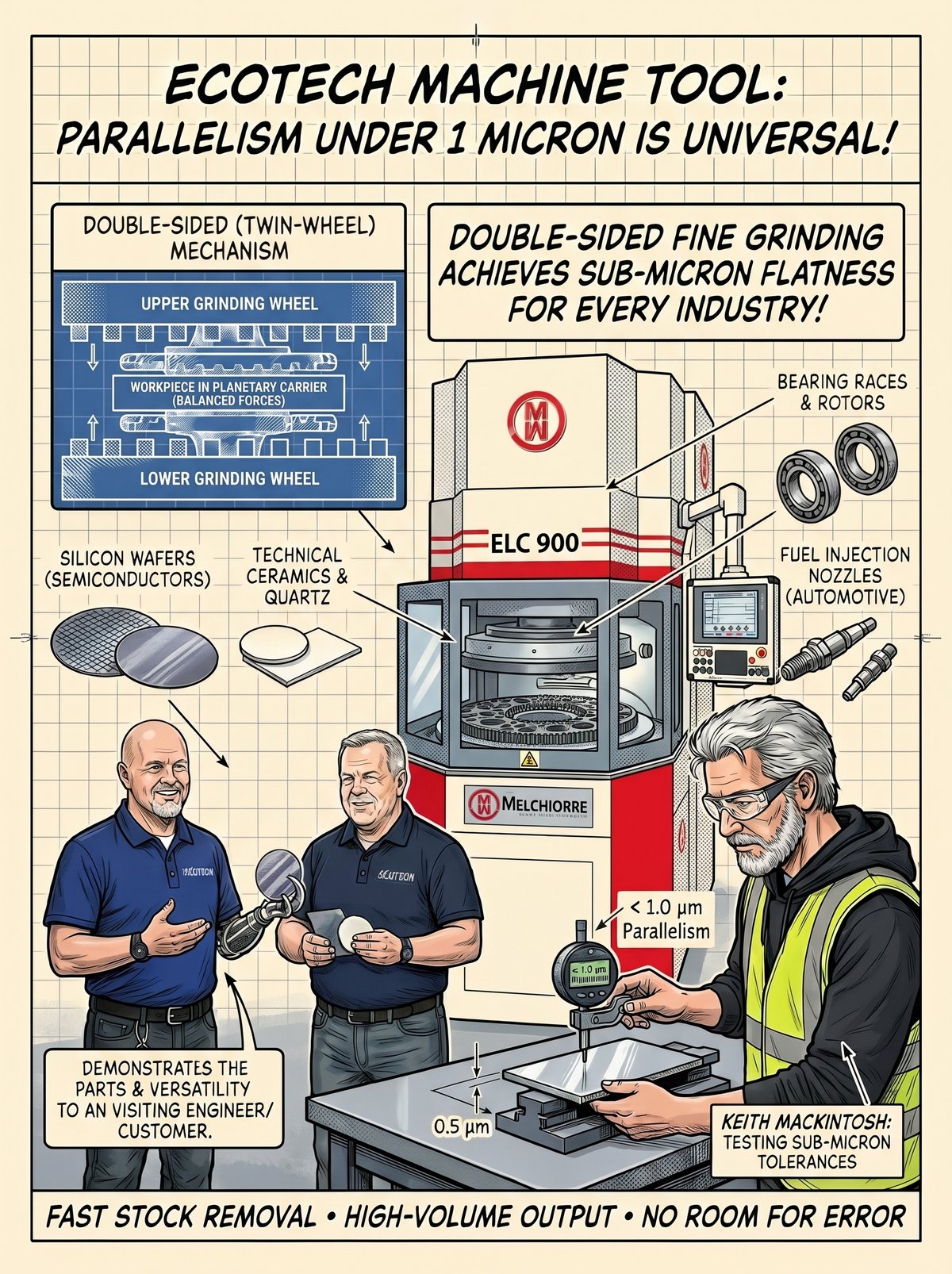
Double-sided fine grinding delivers fast stock removal while achieving parallelism and flatness tolerances under 1 µm. Key industrial applications include:
- Automotive: Diesel fuel injection nozzles, pump rotors, and transmission valve plates and shims.
- Fluid Power & Hydraulics: Vane pump palettes, internal gear pump stators, and hydraulic motor covers.
- Mechanical Seals: Carbon, silicon carbide, and tungsten carbide sealing rings.
- Technical Ceramics & Semiconductors: Alumina substrates, silicon wafers, and quartz plates.
- General Precision Components: Hardened bearing races, watch crystal glasses, and carbide insert blanks.
Machine Spotlight: Melchiorre ELC 900
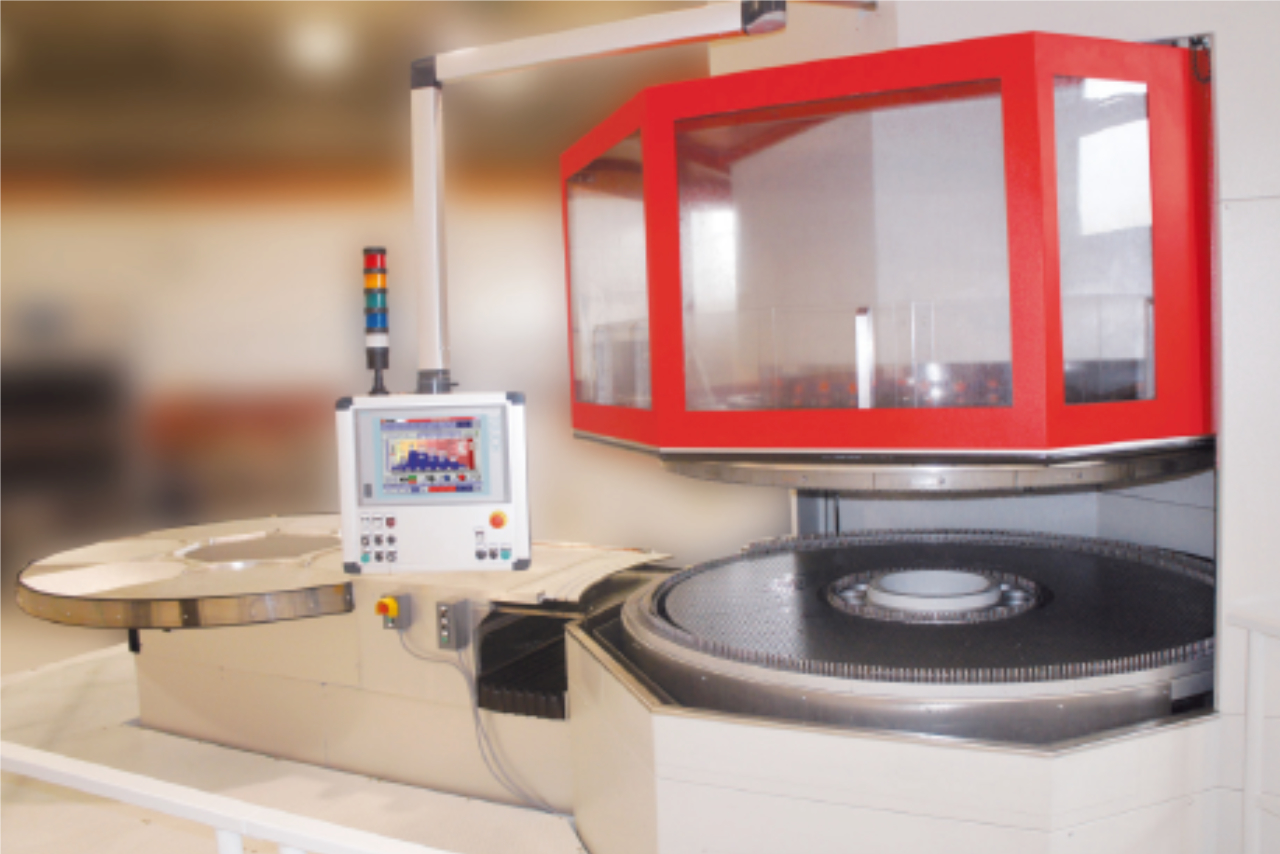
If your floor needs immediate double-sided fine grinding capacity without standard factory lead times, the Melchiorre ELC 900 represents the industry benchmark for high-output precision.
| Feature | Specification |
|---|---|
| Grinding Wheel Outer Diameter | 860 mm |
| Available Grinding Surface | 4,500 cm² |
| Workpiece Carrier Capacity | 5 to 6 Carriers |
| Maximum Workpiece Size | Up to 230 mm (280 mm opt.) |
| Main Grinding Wheel Motor | 18.5 kW |
| Maximum Wheel Speed | 350 RPM |
| Machine Weight | 6,000 kg |
Equipped with a touch-screen operator interface, self-learning graphical programming, and full automation compatibility (including automatic carrier loading/unloading), the ELC 900 delivers high-volume production with minimal operator setup.
In Stock & Ready to Ship from Italy
We currently have a factory-new Melchiorre ELC 900 in stock and ready for immediate shipment directly from Italy. Stop bleeding money to long lead times and secure your production capacity today.
Frequently Asked Questions
Ready to Eliminate Your Precision Grinding Bottleneck?
Talk directly with our application engineers to review your part drawings, calculate cycle times, or schedule a live demonstration on the Melchiorre ELC 900.